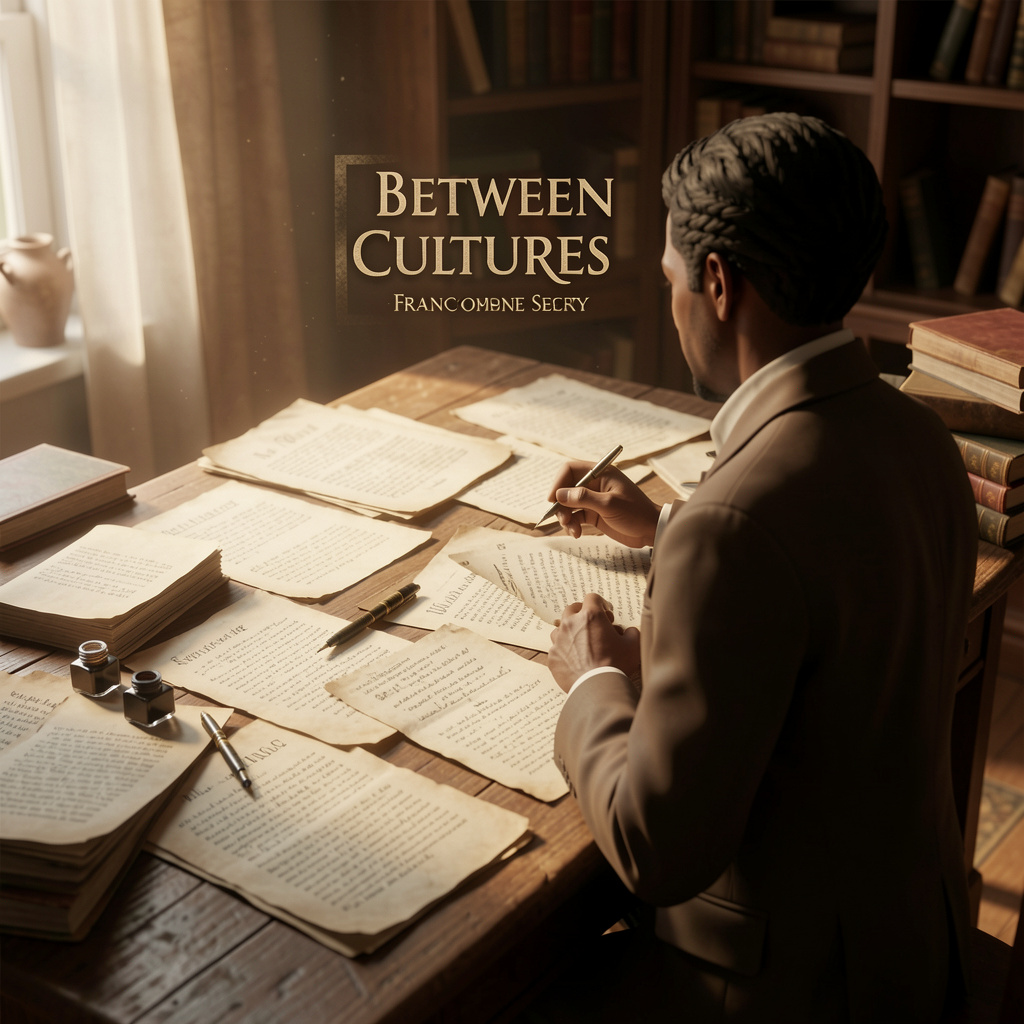
Imagine stepping into an intricate tapestry woven with threads of history, passion, and cultural dialogue—this is the world of the Francophone literary scene. In our ever-connected era, conversations on literary forums, buzzing social media threads, and lively comment sections are breathing new life into a narrative that transcends borders. Many readers and writers openly discuss the evolution of storytelling, the subtle nuances of language, and the interplay between global influences. As you journey through this landscape, you’ll see how narratives of diasporic journeys, identity conflicts, and creative rebirth fuse into a singular, vibrant mosaic. The discussion ranges from the nostalgic reminiscence of the golden age of French literary sophistication to modern anecdotes shared on dynamic online platforms. This article aims to capture that very spirit of connectivity and creativity tied to a tradition that has reinvented itself at every turn.
The Historical Tapestry of a Literary Tradition
Historically, the evolution of Francophone literature has been comparable to a grand, ever-evolving painting—a work of art where each brushstroke contributes to a richer, multidimensional narrative. Over decades, the influence of political tumult, social transformation, and intellectual revolutions has given rise to masterpieces that transcend language barriers. Engaging in conversations reminiscent of heartfelt Reddit discussions, many aficionados have shared their personal journeys through the labyrinth of literary history. Tales from centuries past speak of revolution, survival, and reinvention. Each story, be it of celebrated poets or lesser-known chroniclers of their times, carries an energy infused with passion and an unwavering desire to capture the human experience.
Modern readers often reflect on these historical moments with admiration and curiosity, seeking to understand the enduring spirit behind such works. Whether it’s the challenges posed by censorship or the vibrant celebrations of cultural identity, every narrative thread contributes to the overall portrait of a culture in constant flux. Just as lively comments on platforms like Quora shed light on personal interpretations of classic texts, many enthusiasts view earlier literary endeavors as blueprints for contemporary creativity. They appreciate the enduring influence of works that helped shape not just literary trends but also the very fabric of societal consciousness. Stepping back, one sees that the evolution of this literary tradition is both a personal and collective story—a journey from the ink of centuries past to the digital expressions of today.
Deep dives into archival material reveal that the evolution of creative expression is inseparable from the historical context in which it flourished. For instance, the experiences of exile, migration, and cross-cultural interaction served as catalysts for innovative storytelling. The very essence of this transformation is encapsulated in what many now simply refer to as the “Littérature francophone”, where tradition and modernity meet in a seamless pas de deux. One can almost hear the echoes of revolutionary debates and passionate discourses resonating through the ages, inviting today’s generation to engage in a dialogue that is as timeless as it is contemporary.
Modern Dialogues: Chat Rooms, Tweets, and Timeless Expressions
Today’s literary explorers no longer confine themselves to dusty libraries or quiet cafés. Instead, they flock to vibrant digital spaces where lively debates and impassioned discussions keep the spirit of literary exploration alive. Platforms such as Twitter buzz with succinct yet powerful reflections on literature, merging the old with the new. In these digital conversations, you’ll find opinions that range from fervent defense of classic literary values to innovative reinterpretations that challenge long-held conventions. Each tweet, much like a succinct proverb, often encapsulates a complex blend of historical reverence and modern sensibility.
The energy of these discussions is reminiscent of the open, heartfelt exchanges observed on Reddit. There, impassioned threads frequently reveal the inner lives of readers who see literature as a mirror of their own experiences. Many voices on these platforms express awe at the rich legacy of Francophone writings while urging for greater exploration of marginalized voices. They celebrate the narrative diversity that extends beyond canonical texts, welcoming experimental forms and new media influences as vital evolutions. This rich cross-pollination of ideas underscores the living nature of literature, where boundaries blur, and every reader becomes a participant in an ongoing cultural dialogue.
Even seasoned literary critics on Quora offer insights that bridge academic rigor with personal sentiment. They recount how discussions about the evolution of narrative form often lead to unexpected revelations about identity, power, and belonging. An anecdote shared in a popular thread detailed how a reader, inspired by a classic text, found a renewed sense of purpose while grappling with the modern ethos of creativity. Such stories provide context to the notion that literature, in every form, remains a vital force for understanding human existence. Whether you’re an avid blogger or an occasional commenter, these digital dialogues weave together shared experiences and aspirations, reminding us that literature is as much about personal connection as it is about stylistic flair.
For many, these conversations transcend the simple act of reading; they become a way of life. The words we choose to share online, the stories we retell, and the memories evoked in a well-crafted tweet all bridge generations, reinforcing that our identities are intricately bound to our cultural narratives. The seamless transition from print to digital has opened up new opportunities for storytelling, where the past converses dynamically with the present. This digital revival is a testament to the resilience of literary art—a format that adapts, evolves, and remains eternally relevant.
Personal Narratives and Future Visions
Walking through the corridors of Francophone literature, one cannot ignore the intimate stories that punctuate every page. Personal anecdotes and reflections frequently emerge on both traditional forums and modern social media, each adding depth to the evolving narrative. Many readers describe moments of sheer revelation when encountering texts that resonated deeply with their own life experiences. This connection is often highlighted in posts and commentaries where individuals recall how a particular passage offered comfort during difficult times or sparked a profound interest in cultural history. These stories are not isolated incidents but rather common threads that connect generations of literary enthusiasts.
As conversations unfold across multiple platforms, the future of literary creation in the Francophone context appears vibrant and full of promise. Conversations on social forums reflect an optimism that literature continues to act as a beacon, offering guidance and inspiration. Writers and readers alike are exploring the interplay between tradition and innovation, finding creative ways to pay homage to celebrated works while pushing the envelope of narrative form. This fresh enthusiasm is often expressed in a casual, yet insightful dialogue—sometimes through a thoughtful Reddit comment or an impassioned Quora post—that emphasizes both continuity and transformation.
Looking forward, one can only imagine the exciting directions that upcoming literary voices will take. The yearning for a deeper understanding of heritage, coupled with the innovative spirit of new storytellers, sets the stage for an unprecedented fusion of creative ideas. In intimately candid exchanges, many have confided their dreams of publishing works that not only echo the stylistic splendor of yesteryears but also boldly venture into unexplored narrative territories. Picture a writer who, after engaging in an animated Twitter exchange, sets out to create a novel that meshes the tactile richness of classical storytelling with the immediacy of modern digital experiences. It’s this very blend—of timeless tradition and radical innovation—that promises to define the next era of written expression.
These personal testimonies, shared earnestly on various online communities, serve as both a tribute to the past and a spark for future creativity. They remind us that literature is more than just written words—it is a living, breathing entity that grows with each conversation, each shared experience. As you engage with these narratives, you’re invited to take part in a larger story, one that spans continents and generations. In doing so, you contribute to a legacy characterized not only by its historical depth but also by its boundless potential for reinvention and renewal.
Embracing the Dialogue: A Call for Connection
In the end, the journey through the Francophone literary landscape is much like an intimate conversation between lifelong friends. It is built on openness, vulnerability, and a mutual respect for the diverse stories that shape our world. Whether you are leafing through time-worn pages in a trusted library or scrolling through fresh, real-time insights on a social platform, every encounter with a piece of literature offers an opportunity to connect more deeply with your own identity and with others. The passionate debates, reflective musings, and playful literary banter that enliven online spaces serve as a reminder that literature is as much about community as it is about artistic expression.
As you continue to explore this dynamic realm, consider how each dialogue you participate in contributes to an ever-growing mosaic of shared experiences. Reflect upon the iterations of the “Littérature francophone” — a living term that encapsulates not just a style or tradition, but an enduring conversation between cultures. Ask yourself: What story will you share? Which narrative will ignite a spark in someone else’s journey? In a world brimming with opinions and interpretations, your voice matters. Embrace these dialogues, both past and present, and let them inspire you to not only consume literature but to actively co-create its vibrant future.
Let this be your call to action: dive into spirited discussions, explore narratives that echo your own experiences, and contribute boldly to the evolving story of a rich literary heritage. Through collective engagement and shared passion, we can ensure that the legacy of Francophone literature continues to thrive, transform, and inspire for generations to come.