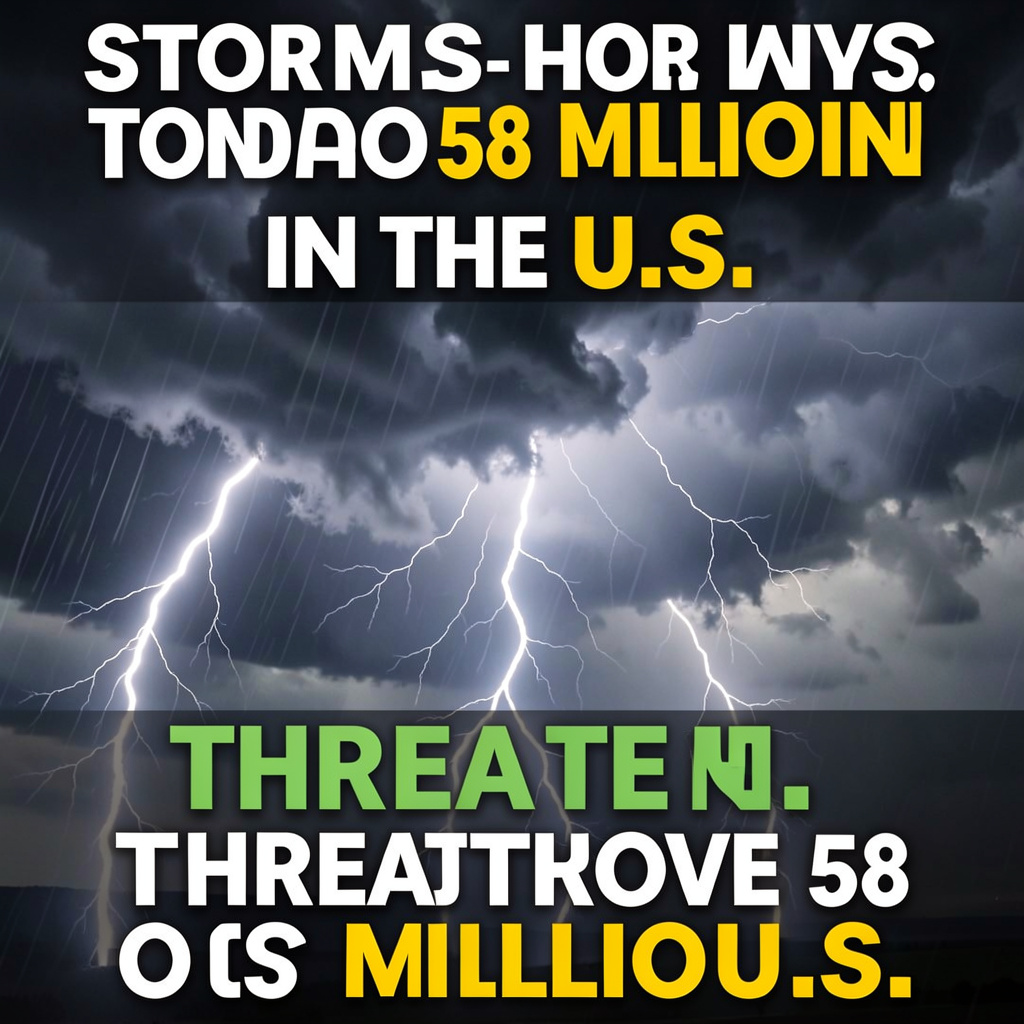
Welcome back to the blog, everyone. This week, we’re diving into some serious weather developments unfolding across the United States. From brewing storms to twisters on the horizon, more than 58 million Americans are under threat from an unsettling mix of tempests and tornadoes. It’s the kind of news that demands our attention, not just because of the scale but because of the very real impact it has on communities, families, and daily life.
Weather can be unpredictable, but when large regions brace for potential disasters, staying informed is vital. So, let’s unpack what’s happening, why this is significant, and—importantly—how you can prepare or respond if you’re in the affected areas.
What’s Brewing in the Skies?
Across multiple states, meteorologists have issued warnings as powerful storm systems gather strength. These aren’t your garden-variety rain showers; this is a convergence of forces capable of unleashing severe thunderstorms, overwhelming rainfall, and tornadoes with the power to tear through towns.
The areas at risk stretch widely—from parts of the Midwest, where tornado alley has long been a concern, to stretches of the South and even the East Coast in some projections. Over 58 million people are estimated to be in the path of these hazardous weather events, a sobering number that underscores the importance of vigilance and preparedness.
Why So Many People Are in the Line of Fire
The sheer geographic spread is partly due to the nature of the weather systems involved. On one hand, a strong low-pressure system is clashing with warm and humid air masses, the classic ingredients for supercharged storms. On the other, the region’s topography and atmospheric conditions are primed to produce tornadic activity, especially in regions historically prone to such events.
It’s also worth noting that as climates shift and weather patterns evolve, the traditional boundaries of tornado alley and storm zones are expanding. Areas that may not have faced such risk in the past are now more vulnerable, which adds a new layer of urgency and complexity to tracking these storms.
Staying Safe and Prepared
If you find yourself in an affected area, paying close attention to local weather alerts is your first line of defense. Reliable apps, NOAA updates, and local news stations will provide the crucial minutes or hours you might need to take shelter or adjust plans.
Here are a few quick tips for safety:
- Identify a safe spot at home—ideally a basement or interior room without windows.
- Keep an emergency kit handy, stocked with water, non-perishable food, flashlights, batteries, and a first aid kit.
- Have a charged phone ready and consider a battery-powered weather radio in case power goes out.
- Review an evacuation plan if your area is prone to flooding or if authorities advise leaving.
When storms hit hard, communities often come together in remarkable ways. Neighbor checking, sharing resources, and staying connected can make a huge difference.
Looking Ahead
We all hope these storms pass with minimal damage and that everyone stays safe. At the same time, this is a vivid reminder of our fragile relationship with nature’s forces and the importance of preparedness.
In next week’s blog, we’ll explore some inspiring stories of resilience and recovery from past storms—a hopeful look at how communities rebuild and come back stronger.
For now, stay safe, keep vigilant, and don’t hesitate to reach out to neighbors or local authorities if you need assistance. Weather may be unpredictable, but our community spirit is something we can always count on.